


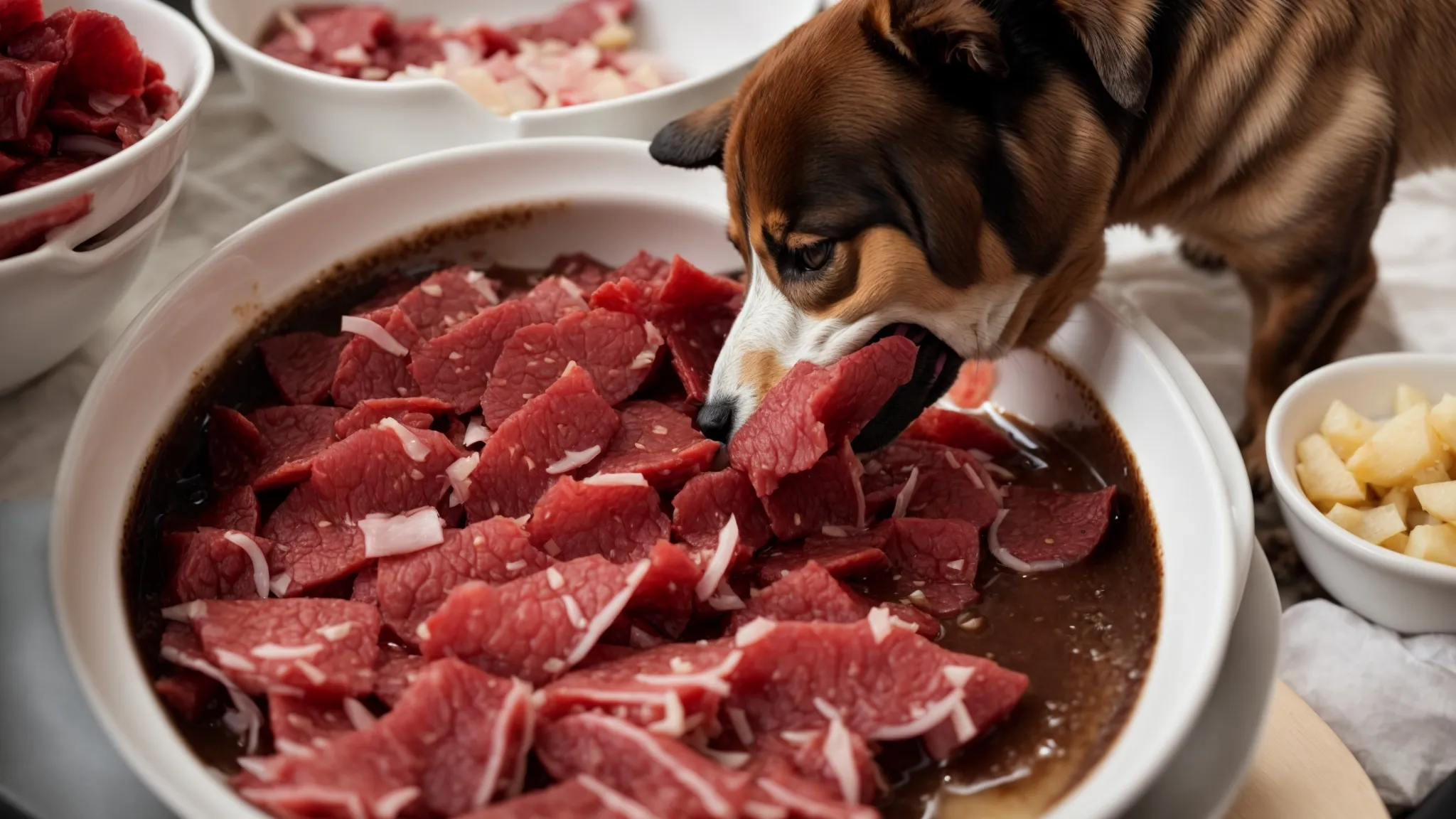
Amidst the diverse options for pet nourishment, raw dog food has emerged as a choice praised for its potential to improve pet health. A balanced raw diet, often high in protein and nutrients, is believed by many to closely mimic what dogs would naturally consume in the wild. As such, numerous pet owners are curious about its advantages and how it could positively influence their canine’s well-being.
Determining whether a raw diet is the best path for your pet’s nutritional needs can be challenging, yet understanding the associated health benefits might assist in making an informed choice. In this article, we’ll explore how incorporating raw dog food into your pet’s diet can contribute to their overall health and vitality.
Exploring the Nutritional Benefits of Raw Dog Food

Raw dog food is often rich in protein, essential fats, and vitamins, all of which play a crucial role in a dog’s health. By providing a more ‘natural’ diet, raw food proponents argue that dogs are able to absorb nutrients more efficiently than from processed kibble, leading to improved vitality and strength.
One significant advantage of raw dog food is that it typically contains fewer additives and preservatives compared to commercial dog foods. This means dogs are consuming more of the beneficial nutrients without the potentially harmful chemicals found in some manufactured foods. In a Raw Dog Food Review, pet owners share their experiences with these dietary changes.
For pet owners considering a switch to raw food, it’s beneficial to consult with a veterinarian to tailor a meal plan that suits the specific needs of their dog. A balanced diet should include a variety of meats, bones, organ tissues, and some fruits and vegetables to provide comprehensive nutrition.
How Raw Diets Support Digestive Health in Dogs
Raw dog food diets are often hailed for promoting better digestive health in canines. The natural enzymes and beneficial bacteria in raw food can aid in digestion, helping dogs to process their food more effectively and absorb nutrients more readily.
Moreover, since raw diets usually contain more bioavailable nutrients, they can result in less waste output, which is an indicator of improved digestion. Dogs on a raw diet commonly have smaller, firmer stools due to the high digestibility of the food. Supporting these claims, studies have shown that a raw diet can sometimes lead to more beneficial gut flora in dogs.
It’s essential for owners to ensure the raw diet is prepared safely to prevent any foodborne illnesses that could jeopardize a dog’s digestive health. Proper handling, storage, and sanitation are key in this regard.
The Impact of Raw Food on a Dog’s Coat and Skin Condition
A glossy coat and healthy skin are outward signs of good nutrition, and feeding raw dog food can play a role in achieving this. The natural oils found in raw meats help maintain a dog’s coat and skin health, often leading to a shinier coat and reduced skin irritations.
Ideal levels of Omega-3 and Omega-6 fatty acids, which are prevalent in raw food diets, contribute significantly to healthier skin and coats. Dogs that have shifted from processed foods to raw diets often show visible improvements, adding anecdotal support to the benefits of these critical fatty acids. Utilizing a fish oil supplement might also be recommended in some cases to provide an additional boost.
For those contemplating a transition to raw dog food, it may be beneficial to introduce the new diet gradually and monitor the dog’s skin and coat for positive changes over time, adjusting the diet as needed.
Raw Dog Food and the Enhancement of Immune Function

The immune system benefits are another compelling reason some dog owners choose a raw diet. Vitamins, minerals, and antioxidants naturally present in raw meat, fruits, and vegetables help in bolstering a dog’s immune system, resulting in better overall health and resistance to diseases.
Antioxidant-rich foods like blueberries or spinach can easily be mixed into a raw food diet, enhancing its immune-boosting properties. These components are known to combat free radicals, protecting the body’s cells from damage and supporting immune function. Pet owners should aim to maintain a well-rounded diet that includes these elements to maximize the health benefits.
While raw diets can contribute to a better immune system, it’s critical not to ignore other health aspects, such as regular vaccinations and vet check-ups, that also play an integral part in a dog’s immune health.
Ultimately, while transitioning to raw dog food requires careful consideration and planning, the potential health benefits make it a compelling option for many dog owners. Touted perks like improved digestion, a healthier coat, and enhanced immune health are persuasive and could signal a beneficial change for your pet. As always, consulting with a veterinarian before making any significant changes to your dog’s diet is recommended to ensure their health and safety.