



How To Select the Perfect Mattress for Your Sleep
Selecting the right mattress isn’t just about spending more; it’s about finding a match for your unique sleeping needs. A National Sleep Foundation survey found that 92% of people consider a comfortable mattress important for a good night’s sleep. However, with the wide range of options available, finding the ideal mattress can seem daunting.
By understanding your sleep habits, learning about mattress materials, considering size and firmness, and exploring shopping options, you can make an informed decision. Below, we offer guidance on how to navigate the sea of mattress options to ensure restful slumber night after night.
Assessing Your Sleep Habits and Preferences Before Choosing a Mattress

The first step in selecting a suitable mattress is to evaluate your sleep habits and physical needs. Are you a side sleeper, or do you sleep on your back? Do you experience back pain, or are you sensitive to certain materials? These questions set the foundation for your decision-making process.
For instance, side sleepers may benefit from a softer mattress that cushions the hips and shoulders, while back sleepers may need a firmer mattress to keep the spine aligned. Those with allergies should consider hypoallergenic materials. Identifying these personal preferences will significantly narrow the choices.
Actionable guidance includes listing any medical conditions and sleep disruptions to discuss with a sleep specialist or a mattress salesperson. This can help in recommending a type that suits your specific situation. Additionally, always test a mattress when possible to gauge comfort and support.
Understanding Mattress Types and Materials for Optimal Comfort
When selecting a mattress, understanding the different types and materials is key. Innerspring mattresses are typically firmer and provide strong support, while memory foam contours closely to your body shape, which can relieve pressure points.
Hybrid mattresses combine the responsive support of springs with foam layers to balance comfort and firmness. Latex offers resilience and durability, but it might not be suitable for those with latex allergies. Moreover, eco-conscious shoppers can find organic options that reduce environmental impact.
To help you make your decision, consider visiting a furniture and mattress warehouse to get a feel for the available materials and styles. An in-person visit can help you understand the various textures and firmness levels and determine what feels most comfortable for your body type and sleep style.
Considering Mattress Size and Firmness for Your Sleeping Position
The size and firmness of your mattress are important factors to consider, particularly for your preferred sleeping position. Mattress sizes range from twin to king and even California king, each offering different amounts of space and potential to accommodate multiple sleepers.
Firmness levels span from soft to extra firm, affecting how well the mattress conforms to your body. A medium-firm mattress is often recommended for alleviating back pain. A study by the Kovacs Foundation in Palma de Mallorca found that medium-firm mattresses generally provided better comfort and pain reduction over 90 days.
For actionable guidance, take inventory of your current mattress’s size and firmness and consider whether it meets your needs. Consider the space you have available and your budget. Then visit stores or research online to compare options, keeping in mind your body weight and preferred sleep position, as these factors influence comfort.
Navigating Mattress Shopping: In-Store Trials vs. Online Reviews
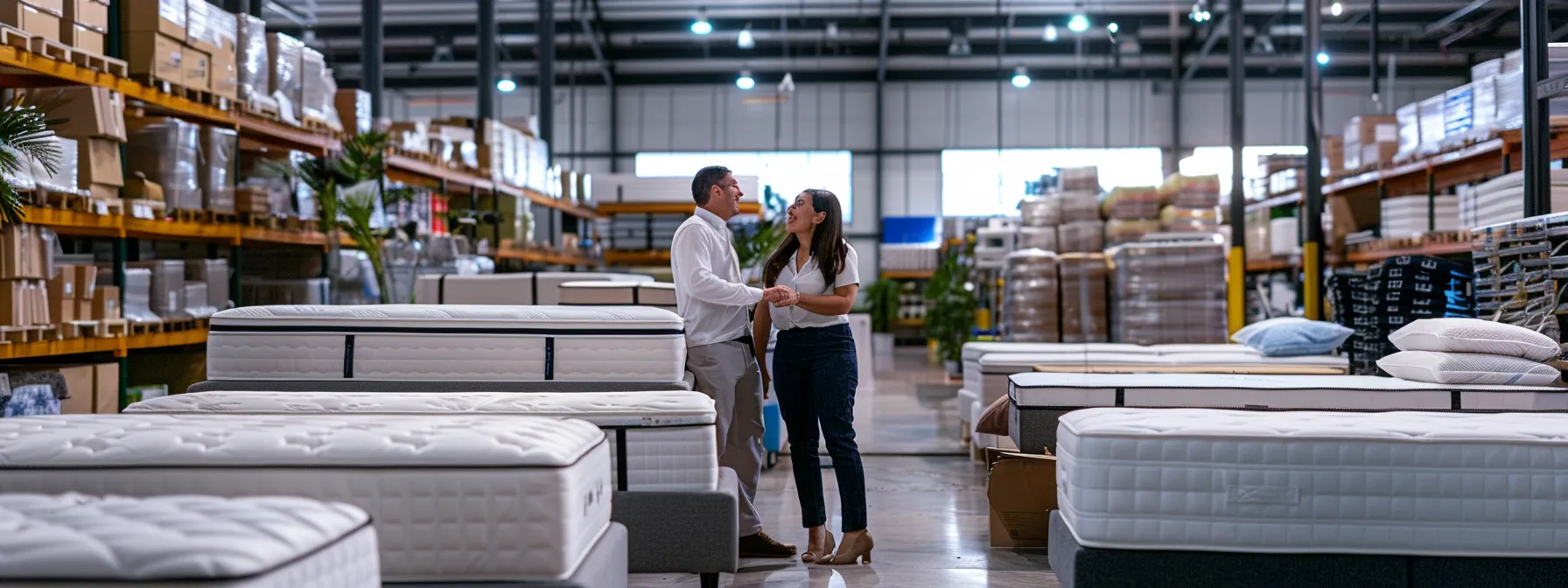
Finding the right mattress involves comparing the in-store shopping experience with online reviews. Each method offers its own set of benefits and challenges. Physical stores give you the advantage of trying before you buy, while online stores often provide extensive reviews and sometimes better pricing.
According to a Consumer Reports survey, about 75% of those who tested their mattress in a store for at least 15 minutes were satisfied with their purchase. On the other hand, customer reviews can provide insights into the longevity and satisfaction levels over time, which a brief trial cannot capture.
Combine both techniques by visiting a store for an initial feel, then corroborating your findings with online customer reviews. Look for satisfaction guarantees, warranties, and return policies as these offer a safety net if the mattress doesn’t meet your expectations.
The journey to finding the perfect mattress demands attention to your personal comfort needs, research, and willingness to invest time in trials, whether online or in-store. Your diligence will pay off in restorative sleep, and by following the guidance above, you’re already on your way to a well-informed purchase and many nights of peaceful slumber.