

Salvaging the Past: Resources and Practices for Flipping Old and Abandoned Homes
Renovating and flipping old or abandoned homes can turn forgotten properties into sparkling gems, revitalizing neighborhoods and providing substantial returns on investment. Such endeavors not only bring new life to structures that have seen better days but also contribute to the economic development of communities. Identifying a house with the foundational strength to withstand renovations is a critical first step in the flipping process. In this article, we’ll delve into the key aspects of flipping homes, from due diligence in property selection to the final sale.
Sustainable Practices in Home Flipping: Repurposing Materials and Eco-friendly Upgrades
The trend toward sustainability has reached the real estate flipping market with a growing number of buyers seeking eco-friendly homes. This shift presents an opportunity for flippers to incorporate green practices into their renovation plans, such as using repurposed materials that can add unique character to a home while reducing environmental impact.
Energy efficiency is another area where investors can differentiate their properties. By installing energy-efficient windows, insulation, and appliances, flippers not only meet the needs of environmentally conscious buyers but also contribute to long-term cost savings in home maintenance. These improvements can be an important selling point in today’s market.
In the same vein as the various air conditioning services in Houston TX, offering smart home technology geared toward efficiency and convenience can elevate a flip above competitors. Smart thermostats, lighting systems, and security technologies are often well-received upgrades that align with a modern lifestyle and eco-conscious preferences.
Unearthing Potential: Assessing Old and Abandoned Homes for Flipping Opportunities
When seeking properties for a flip, the importance of thorough inspection cannot be overstated. Older homes, especially if abandoned, may conceal issues such as structural instability, outdated electrical wiring, or plumbing problems. A keen eye for underlying quality and potential after renovation is vital. Investors should look for homes that require cosmetic updates rather than complete overhauls, as the latter can significantly diminish the return on investment.
Location is a prominent factor to consider during assessment. A home in a desirable neighborhood or one on the verge of revitalization holds more promise in terms of value increase. Not only does the area influence market value but also it affects the potential pool of buyers once the flip is complete. Understanding market dynamics, including demand for certain home styles and features, can guide the selection process.
Researching the history of an abandoned property is as crucial as the physical inspection. Issues such as back taxes, liens, or clouded titles can derail a flipping project before it even begins. Professionals in the cars for cash business understand the importance of clear ownership and the same applies to real estate; it’s crucial to ensure all paperwork is in order before proceeding with an investment.
Crafting a Renovation Plan: Balancing Aesthetic Appeal and Budget Constraints
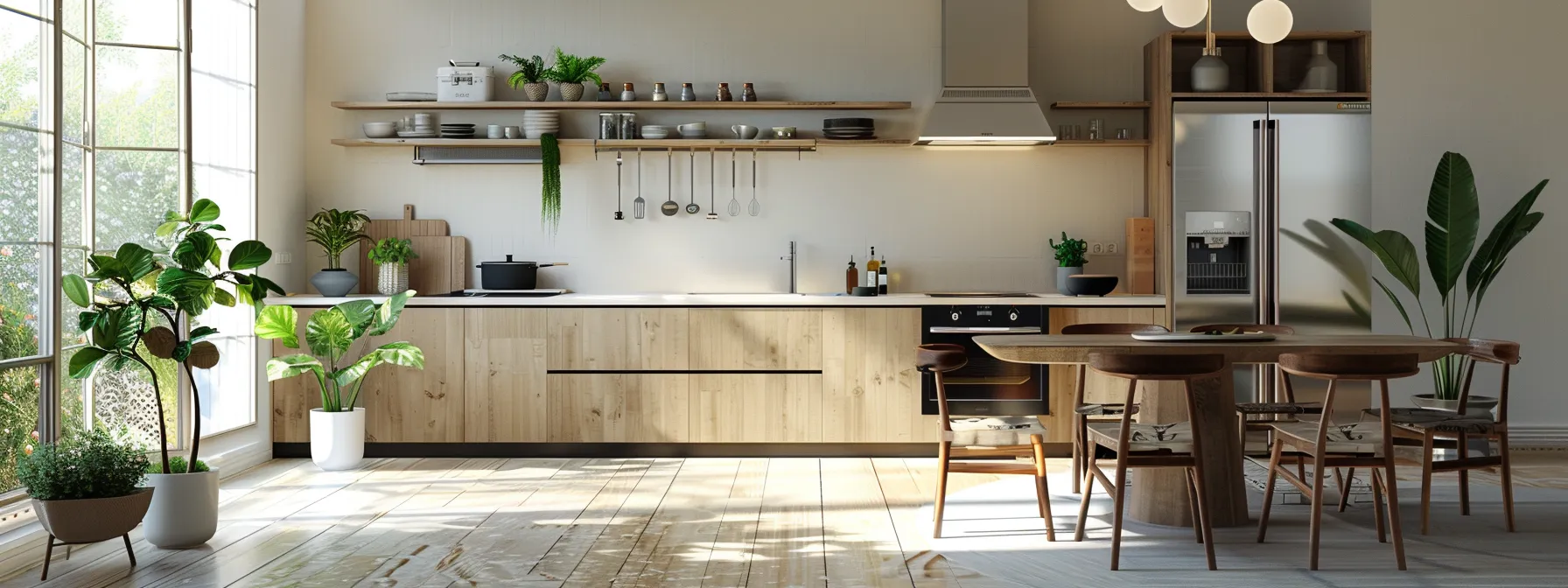
One of the most exciting aspects of flipping a home is the design and renovation process. Here, vision meets reality as investors shape the once-dilapidated property into modern, livable spaces. However, it’s a delicate balance between creating a visually appealing home and adhering to a strict budget.
Creating a comprehensive renovation plan involves prioritizing the changes that will bring the most value. Kitchens and bathrooms are typically high-value areas where updates can substantially influence a buyer’s perception. While it’s important to freshen up these spaces, flippers should avoid over-personalizing finishes to appeal to the broadest market possible.
Marketing and Selling Your Flipped Home: Strategies for Attracting Modern Buyers
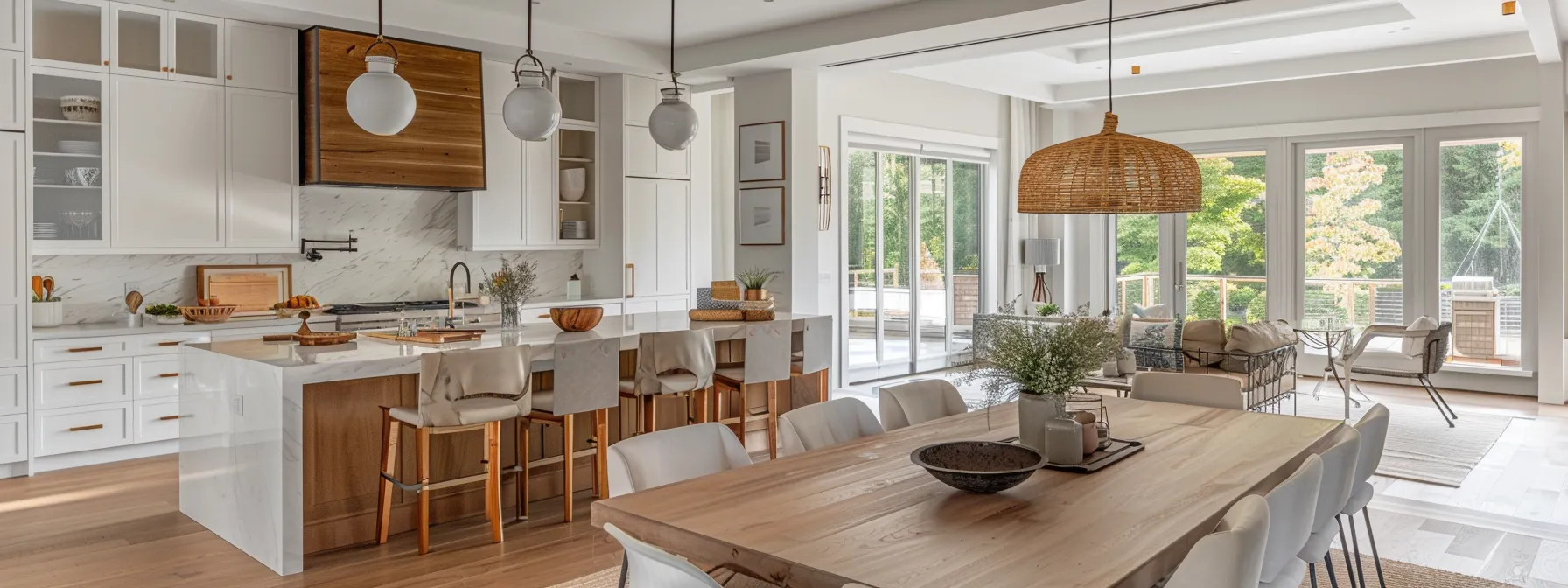
Once a flip is complete, the focus shifts to marketing and selling the property. Successful selling strategies hinge on understanding the target market and showcasing the home’s best features. High-quality photos and virtual tours can make a significant difference, providing an engaging experience for potential buyers right from the start.
Crafting a compelling listing description is just as important as the visual elements. Highlighting key upgrades, such as a redesigned open-concept kitchen or a newly added master suite, can capture the interest of buyers. Describing the lifestyle benefits of the home’s features, rather than just listing them, helps buyers envision themselves in the space.
Altogether, the art of flipping homes requires a blend of market insight, strategic planning, and a knack for design. Understanding the unique challenges and opportunities of working with older properties can result in beautiful transformations and profitable ventures. By embracing sustainable renovation practices, engaging with the right professionals, and appealing to modern buyer preferences, investors can navigate the flipping process successfully and yield impressive results.