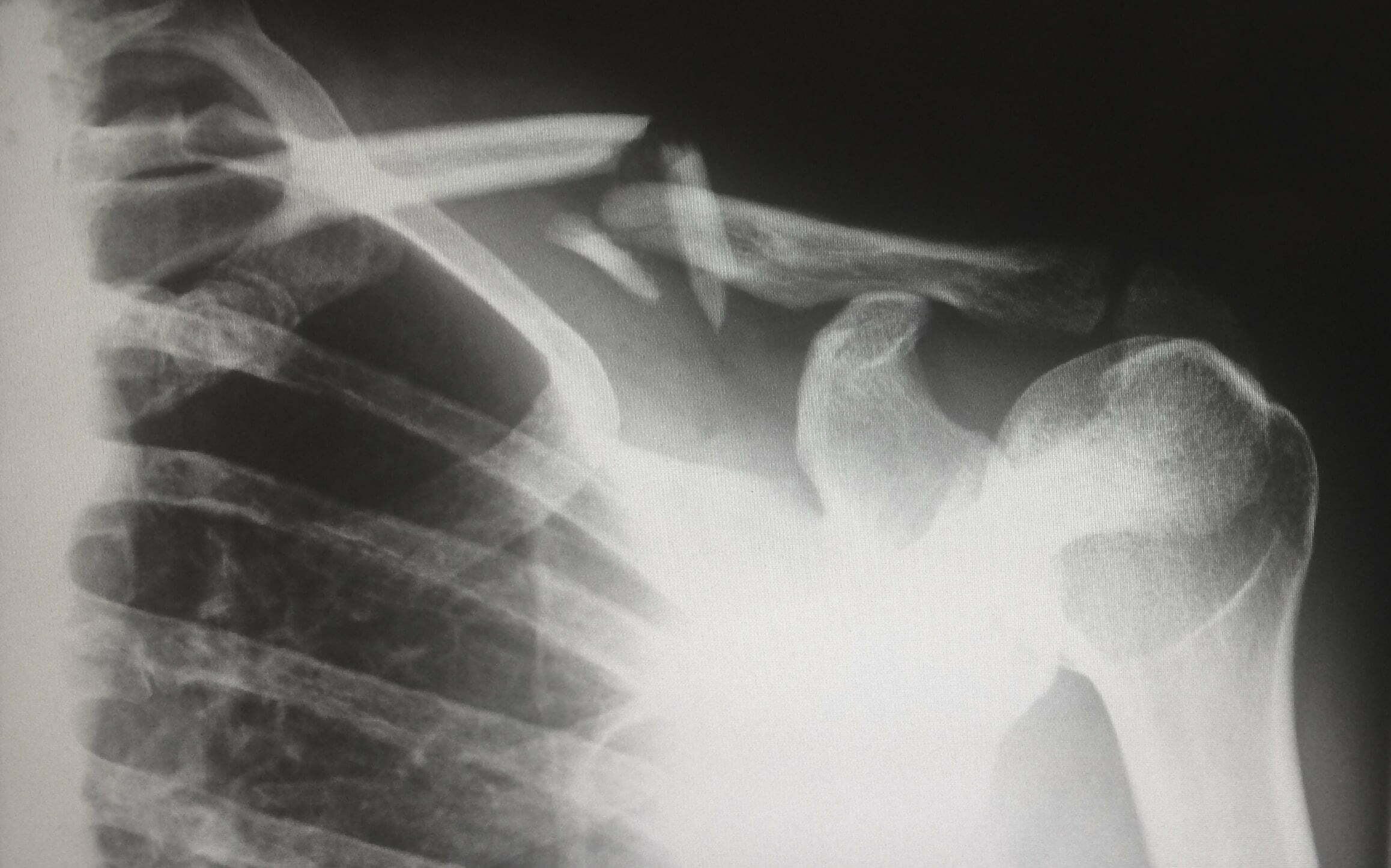



The Benefits of Personalized Treatment Plans in Orthopedic Care
Orthopedic disorders and injuries can significantly impact one’s quality of life, influencing everything from mobility to comfort. With an estimated 126.6 million Americans (one in two adults) affected by a musculoskeletal condition, the need for effective and tailored treatment is more pressing than ever. Personalized treatment plans in orthopedics present promising outcomes, with increased patient satisfaction and improved recovery rates.
Focusing on specialized, personalized orthopedic care ensures each patient’s unique health situation is accounted for when developing a treatment regimen. This approach can lead to better outcomes and a reduced likelihood of complications. Below we will explore the multifaceted benefits such individualized care provides.
Tailoring Orthopedic Care To Individual Needs Enhances Recovery

Customized orthopedic care increases the potential for optimal recovery. According to studies, personalized rehabilitation plans can improve patient outcomes by addressing specific deficits and functional goals. By considering unique anatomical and physiological factors, treatment efficacy is significantly heightened.
For instance, a knee injury in an athlete may necessitate a different recovery strategy when compared to a non-athlete, necessitating a varied approach to physical therapy or surgical interventions. This nuanced care better aligns with individual recovery timelines and physical demands, thereby enhancing the healing process.
When seeking specialized, personalized orthopedic care, patients should communicate their expectations, lifestyle, and concerns to their orthopedic specialist. This collaboration ensures that the treatment plan caters not just to the medical condition but also to the patient’s life, paving the way for a smoother, more tailored recovery journey.
How Personalized Treatment Plans in Orthopedic Care Address Unique Patient Conditions
Orthopedic conditions vary greatly from patient to patient, making personalized treatment essential. A one-size-fits-all approach is often ineffective due to variable factors like age, activity level, and comorbidities. Specialized treatment plans consider these unique patient conditions, offering more precise and effective care.
For example, a senior with osteoarthritis may require a different therapeutic approach than a younger person with the same diagnosis, incorporating modalities tailored to the effects of aging on the body. A study on osteoarthritis patients showed that those on individualized management plans reported better mobility and less pain than those on standard care regimens.
Orthopedic patients should seek healthcare providers who emphasize personalized care practices. A thorough evaluation that includes medical history, physical examinations, and lifestyle assessments is critical for developing a tailored plan that accommodates personal health circumstances.
Integrating Advanced Diagnostics and Technologies into Personalized Orthopedic Care
Advancements in diagnostics and technology play a pivotal role in creating personalized orthopedic treatment plans. By utilizing cutting-edge imaging and precision instruments, orthopedists can diagnose conditions with greater accuracy and design treatments that are more specific to the needs of the patient.
State-of-the-art tools such as 3D printing for joint replacement and computer-assisted surgery enable customized interventions that fit the exact specifications of a patient’s anatomy. These technologies have been associated with reduced operative times, better implant fit, and improved postoperative outcomes.
To benefit from advanced orthopedic procedures, patients should consult with clinics keeping abreast of the latest technological innovations. Staying informed about available options empowers patients to actively participate in the decision-making process for their personalized treatment plan.
Measuring the Success and Outcomes of Personalized Orthopedic Treatment Plans

The efficacy of personalized orthopedic care is evident in measurable improvements in patient recovery and satisfaction. Clinical outcomes such as reduced pain, improved physical function, and lower hospital readmissions are indicators of success for individualized treatment plans.
A study monitoring recovery progress over a five-year period showed that patients with customized hip replacement plans had fewer dislocations and higher satisfaction rates than those following standard protocols. These outcomes highlight the tangible benefits of personalized care.
Patients and providers can assess the success of an orthopedic treatment plan by setting clear objectives and benchmarks from the onset. Regular follow-ups and feedback sessions help ensure the plan remains aligned with the patient’s progress and can be adjusted as needed for continuous improvement.
Personalized orthopedic treatment plans represent a significant advancement in medical care. They bring a focused approach to addressing individual health concerns, all while leveraging advancements in medical technology to tailor care with greater precision. The result is a patient-centric model that not only improves clinical outcomes but also enhances the overall healthcare experience.