



Can Cremation Be Affordable?
With the rising cost of traditional funerals, many people are turning to cremation as a more economical alternative. However, not all cremation services are created equal, and costs can vary widely depending on several factors. Families looking for a dignified yet cost-effective farewell for their loved ones may find themselves navigating a complex marketplace. In this article, we’ll explore the intricacies of cremation pricing, how to find affordable cremation services, and strategies to plan an affordable cremation.
Understanding the Basics of Cremation Costs
Understanding cremation costs can be crucial for making an informed decision during a difficult time. Cremation is generally less expensive than a traditional burial, primarily because it does not require a burial plot or an elaborate casket. However, costs can quickly escalate if additional services and products, such as viewings, urns, or memorial services, are selected.
Direct cremation is typically the most cost-effective option because it involves the simplest cremation process, without a memorial service or viewing. Despite its simplicity, this option still provides a respectful and dignified approach to end-of-life care. Costs may also vary by region, provider, and service request timeframe.
When inquiring about cremation costs, it’s essential to request a detailed breakdown from service providers. This helps clarify what is included in their quoted price and ensures there are no hidden fees. Itemization is not only practical but also a legal right protected by the Federal Trade Commission’s Funeral Rule.
Families should also inquire about any additional mandatory fees, such as those for crematory services, permits, and death certificates. Knowledge of these fees helps accurately compare prices and align expectations with available budgets.
Comparing Cremation Prices: Traditional Funeral Homes vs. Direct Cremation Services
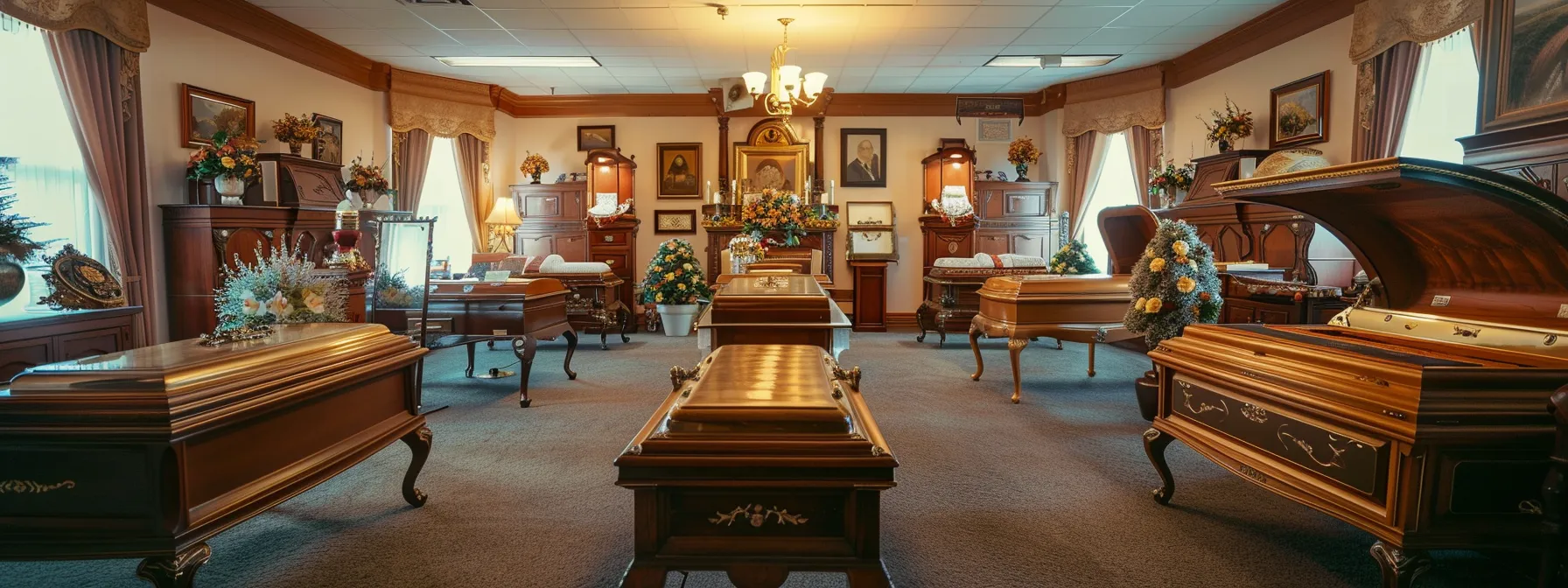
Traditional funeral homes and direct cremation services cater to different needs and therefore come with different price points. Traditional funeral homes typically offer a full spectrum of services and support, including facilities for viewings and ceremonies. These added services increase the overall cost for the consumer.
By contrast, direct cremation providers do not offer comprehensive memorial services, which keeps costs lower. They typically handle transportation of the deceased, cremation, and the return of the ashes to the family, without additional ceremonial elements. This focused service offering is what makes direct cremation a more budget-friendly alternative.
Furthermore, traditional funeral homes often offer a range of caskets and urns, with pricing reflecting the level of customization and material quality. On the other hand, direct cremation services may offer fewer urn options or simply return the ashes in a temporary container, giving families the option to choose their own urn from a third-party supplier.
When comparing the two, it’s important to consider what is most appropriate for the family’s situation and the deceased’s wishes. While traditional funeral homes offer comprehensive services, direct cremation is better suited for those who prioritize simplicity and cost-effectiveness.
Strategies to Plan an Affordable Cremation

Planning for an affordable cremation begins with understanding options and seeking out direct cremation providers or packages that cater to budget-conscious consumers. By selecting a provider focused on essentials, families can significantly reduce end-of-life expenses.
It’s also wise to consider preplanning and prepaying for cremation services. This forward-thinking approach locks in current rates and avoids the pressure of making hasty decisions during a time of grief. Doing the homework now, such as comparing prices and services, can lead to measured choices that align more closely with financial means and personal preferences.
Negotiating with service providers can sometimes result in package adjustments that better fit a budget. Providers may be willing to customize their services to accommodate a family’s needs, so it’s always worth discussing options openly. Also, being transparent about budget constraints from the start can lead to more realistic proposals from cremation service providers.
Lastly, consider forgoing some traditional funeral services. This might include hosting a small, intimate memorial at home or with close family, rather than a larger, more expensive public gathering. By redefining what a memorial can look like, families can find meaningful yet economical ways to say goodbye.
Cremation can be made affordable with careful planning and an understanding of the associated costs and options. By prioritizing essential services, exploring low-cost providers, and embracing simplicity, families can offer a respectful farewell without placing an undue financial burden on themselves.